
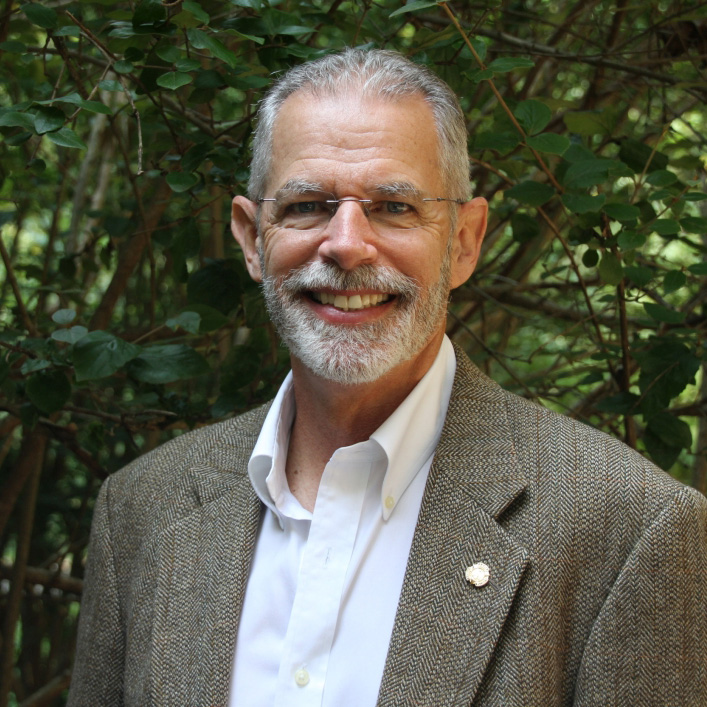
photo: Paul H. Smith
Tom McNear is among the early and highly experienced practitioners of Controlled Remote Viewing (CRV). A long-time student of Ingo Swann, he combines practical experience with a deep understanding of the original CRV methodology and its careful transmission.
He works as an author and contributor to publications dedicated to documenting and preserving this structured approach. Together with Paul H. Smith and Jana Rogge, he co-authored a CRV compendium.

photo: Anatoli Oskin
Paul H. Smith, PhD, is a former U.S. Army Major and one of the most influential figures in both military and civilian remote viewing. He spent nearly seven years in the U.S. Star Gate program, serving as an operational remote viewer, instructor, security officer, and program historian. Trained in Controlled Remote Viewing (CRV) by Ingo Swann and Hal Puthoff during the 1980s, Smith became the principal author of the U.S. Army’s CRV training manual. Since then, he has dedicated his work to the rigorous teaching, documentation, and development of the method.
An author of several books on remote viewing and the founder of Remote Viewing Instructional Services, Paul H. Smith brings together extensive practical experience with scholarly and philosophical perspectives on consciousness and anomalous cognition.
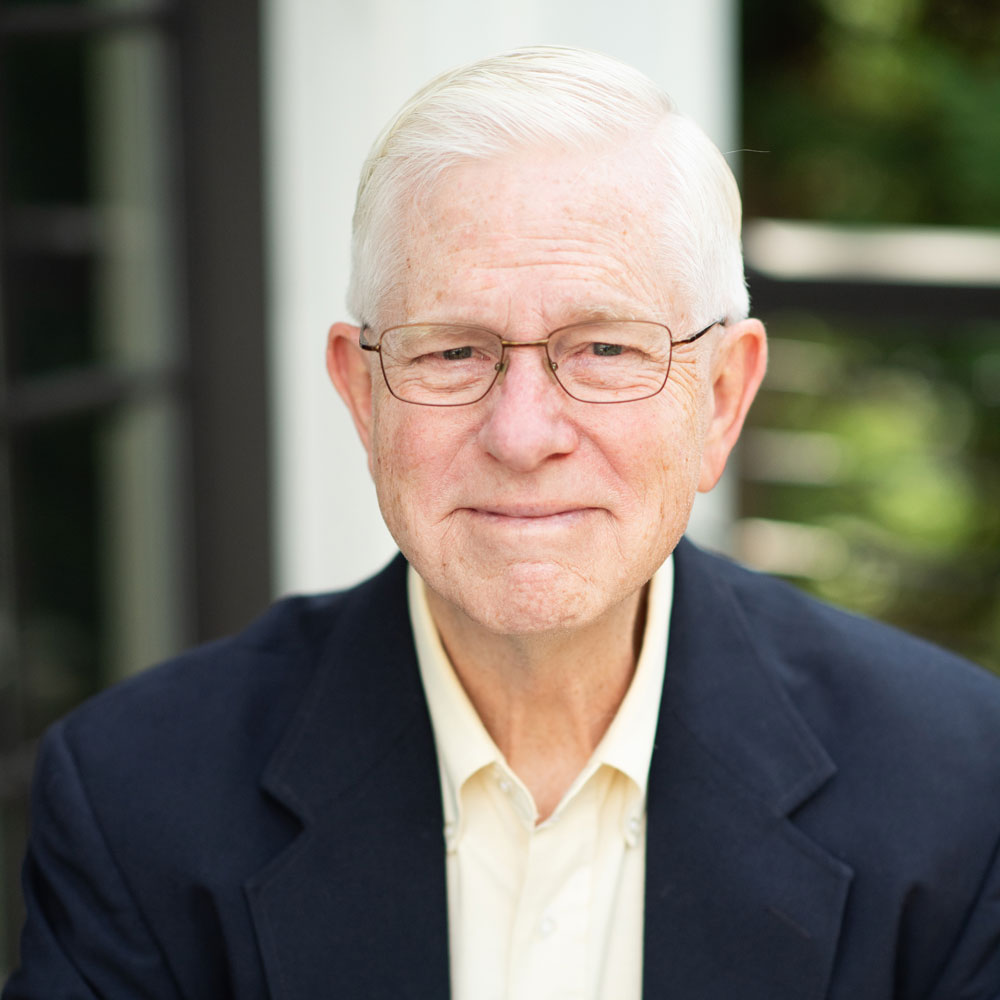
photo: Skip Atwater, private
Frederick H. “Skip” Atwater is one of the central figures in the early history of military remote viewing. As a U.S. Army officer, he played a key role in establishing the remote-viewing unit at Fort Meade and in shaping its operational and organizational development. As the unit’s operations and training officer, Atwater contributed to the selection, training, and operational use of its first military remote viewers.
After his military career, Atwater served as president of the Monroe Institute and continued to explore consciousness research, personal development, and the potential of human perception. His autobiography, Captain of My Ship, Master of My Soul, offers an important personal account of remote viewing’s early history.

photo: Matthias Eckert
Jana Rogge is an author, editor, graphic designer, and trained remote viewer. Her work combines editorial and visual-design experience with a long-standing engagement in consciousness research, parapsychology, and methodologically rigorous remote viewing. Within the Center Lane Publishing program, she is co-editor of The Foundations of Controlled Remote Viewing and author of The 12 Principles of Remote Viewing. Both publications reflect her commitment to the foundations, careful documentation, and accessible communication of Controlled Remote Viewing.
Jana Rogge is also the founder and publisher of Center Lane Publishing, as well as the managing editor and layout designer of two parapsychology magazines.
photo: John Stahler, private
John P. Stahler is an experienced practitioner and instructor of Controlled Remote Viewing (CRV). As a former president of the International Remote Viewing Association (IRVA), he has long been committed to the clear and responsible teaching and documentation of this method, originally developed by Ingo Swann.
His work focuses on the practical application of the CRV protocol and on maintaining a clear, disciplined session structure. In John’s CRV Tips and Tricks, he offers a concise, practice-oriented guide that addresses common structural mistakes and provides learners with practical support for their sessions.
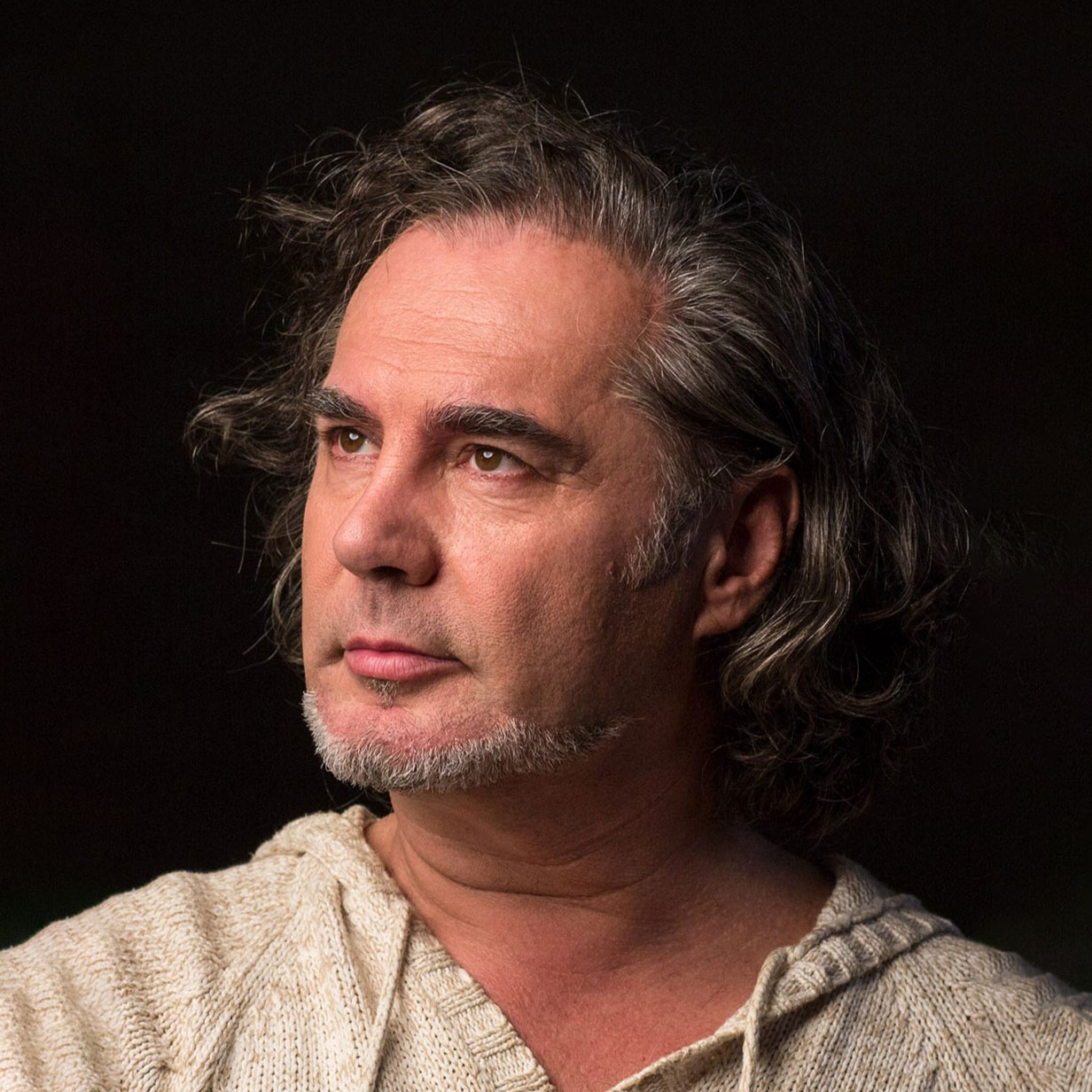
photo: Marco Mannozzi, private
Marco Mannozzi is a make-up artist, make-up designer, and beauty expert with extensive experience in creative work for stage, film, television, and photography. Based in Berlin, he runs his own make-up lounge and has developed his own cosmetics line.
Alongside his professional work, he has long been interested in anomalous perception and the potential role it can play in personal life. In his autobiographical book, he combines episodes from his life and professional career with personal experiences of extrasensory perception. Sharing these experiences from an individual perspective, he invites readers to consider questions of intuition, perception, and consciousness with openness and without dogmatism.